Weekly Podcast
Breaking Addiction’s Grip Real Answers, Real Talk, Real Transformation
Subscribe for expert insights, real talk, and empowering conversations.
Meet Dr. Dora
Your Guide to Medicine
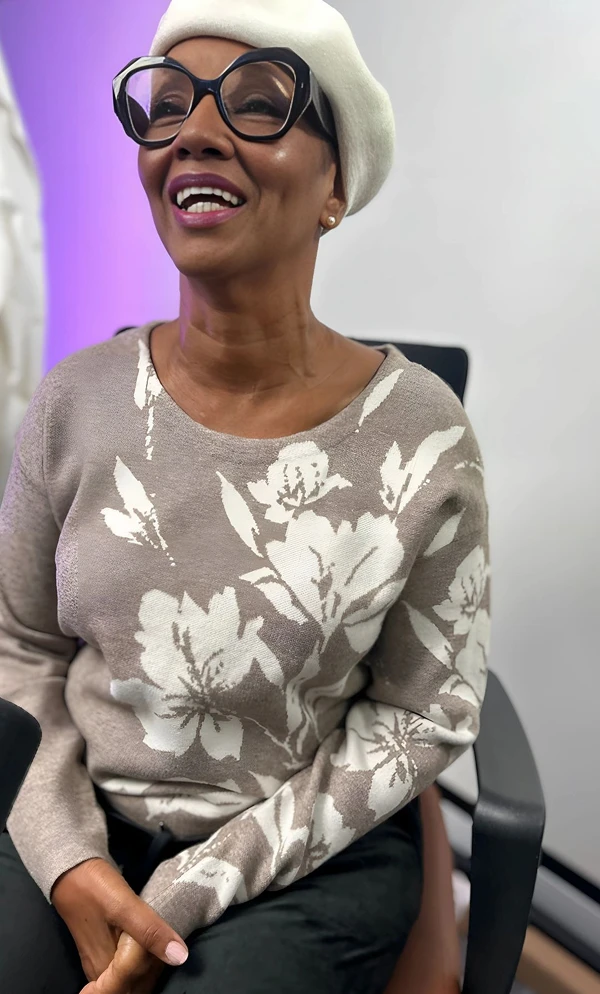
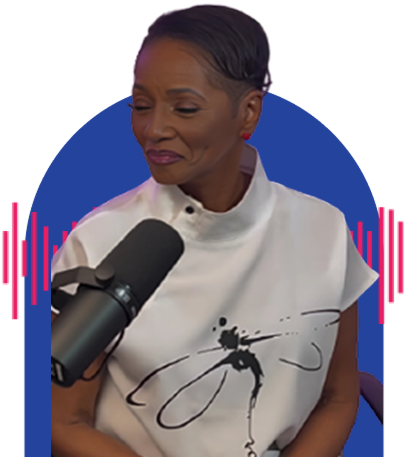
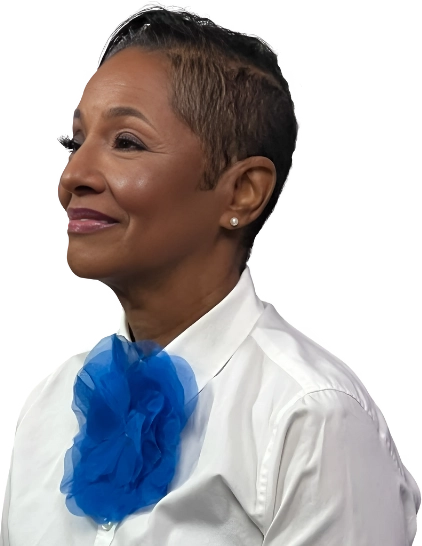
Dr. Dora is a leading expert in addiction medicine with years of experience helping individuals and families navigate the path to healing. As a dedicated advocate, speaker, and substance use disorder specialist, she shares evidence-based strategies, real-life stories, and professional insights to empower people toward lasting recovery.
Achievements & Credentials
- Board Certified in Family and Addiction Medicine
- Fellow In American Society of Addiction Medicine
- Diplomat and Fellow of American Board of Family Medicine
- Pioneered Probuphine implants in the state of Illinois for opioid substance   use disorders
- First to develop medically monitored detox units (not in a hospital setting)
- Lectured in New Delhi, India at the International Society of Addiction Medicine on Treating addictions in a primary care setting
- Received a LifeTime Achievement Award from Illinois Addiction Professionals
Latest Episodes
Your Journey Starts Here
The Silent Epidemic: Alcohol and America’s Hidden Struggle
Discover the shocking truth behind alcohol use disorder, its warning signs, and why what you don’t know about drinking could be putting you at risk.
The High Cost of a Good Time: Alcohol’s Devastating Consequences
Latest Episodes
Your Journey Starts Here
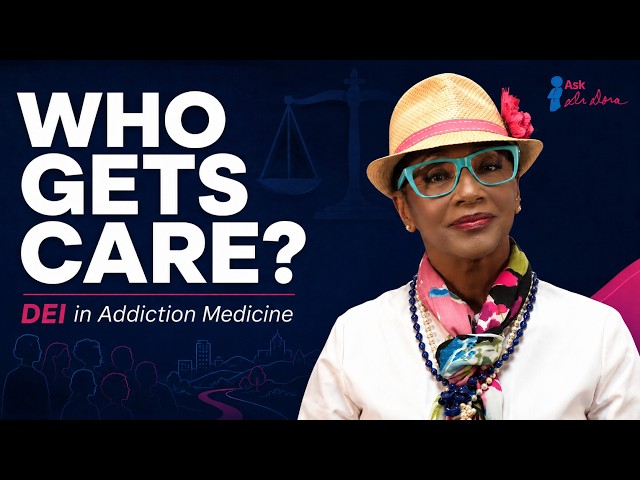
DEI in Addiction Medicine: Who Gets Access to Recovery Care? | Ask Dr. Dora
In this Ask Dr. Dora lecture, Dr. Dora Dixie, board certified in family medicine and addiction medicine, ...continues the conversation on diversity, equity, and inclusion — DEI — in addiction medicine.
Dr. Dora walks through some of the most important equity questions in addiction treatment today, including unequal access to medication for opioid use disorder, harm reduction versus abstinence, addiction during pregnancy, racial inequities in drug policy, LGBTQ+ inclusive care, rural versus urban treatment access, stigma in language, addiction and the criminal justice system, social determinants of recovery, and the growing controversy around DEI itself.
This episode asks difficult but necessary questions:
Should access to medication for opioid use disorder be considered a civil rights issue?
Can harm reduction save lives without lowering expectations for recovery?
Does fear of prosecution keep pregnant women from seeking care?
Should addiction treatment actively address structural racism?
Does tailoring treatment improve outcomes for LGBTQ+ patients?
Is geography one of America’s largest healthcare inequalities?
Can changing language change patient outcomes?
Should addiction be treated as a crime or a chronic disease?
Is treating addiction without addressing poverty enough?
Can we pursue equity while maintaining a universal standard of care?
Dr. Dora reminds us that addiction medicine includes science, ethics, public policy, and social justice. We may disagree on the path forward, but the goal remains clear: reducing suffering, restoring dignity, and helping people reclaim their lives.
Subscribe to Ask Dr. Dora for more education on addiction medicine, substance use disorders, recovery, public health, and the magnificent bodies we live in.
Subscribe to Ask Dr. Dora
Watch Next: More Addiction Medicine Education
Have a topic request? hello@askdrdora.com
Learn More: askdrdora.com
Disclaimer: This episode is for educational and informational purposes only and is not a substitute for medical advice, diagnosis, treatment, legal advice, or policy guidance. Please consult qualified healthcare, legal, or public health professionals for personal or organizational decisions.
#AskDrDora
#AddictionMedicine
#DEI
#SubstanceUseDisorder
#RecoveryEquity
#HarmReduction
#OpioidUseDisorder
#RecoveryIsPossible
#PublicHealth
#mentalhealthmattersShow More

In this Ask Dr. Dora lecture, Dr. Dora Dixie, board certified in family medicine and addiction medicine, ...continues the conversation on diversity, equity, and inclusion — DEI — in addiction medicine.
Dr. Dora walks through some of the most important equity questions in addiction treatment today, including unequal access to medication for opioid use disorder, harm reduction versus abstinence, addiction during pregnancy, racial inequities in drug policy, LGBTQ+ inclusive care, rural versus urban treatment access, stigma in language, addiction and the criminal justice system, social determinants of recovery, and the growing controversy around DEI itself.
This episode asks difficult but necessary questions:
Should access to medication for opioid use disorder be considered a civil rights issue?
Can harm reduction save lives without lowering expectations for recovery?
Does fear of prosecution keep pregnant women from seeking care?
Should addiction treatment actively address structural racism?
Does tailoring treatment improve outcomes for LGBTQ+ patients?
Is geography one of America’s largest healthcare inequalities?
Can changing language change patient outcomes?
Should addiction be treated as a crime or a chronic disease?
Is treating addiction without addressing poverty enough?
Can we pursue equity while maintaining a universal standard of care?
Dr. Dora reminds us that addiction medicine includes science, ethics, public policy, and social justice. We may disagree on the path forward, but the goal remains clear: reducing suffering, restoring dignity, and helping people reclaim their lives.
Subscribe to Ask Dr. Dora for more education on addiction medicine, substance use disorders, recovery, public health, and the magnificent bodies we live in.
Subscribe to Ask Dr. Dora
Watch Next: More Addiction Medicine Education
Have a topic request? hello@askdrdora.com
Learn More: askdrdora.com
Disclaimer: This episode is for educational and informational purposes only and is not a substitute for medical advice, diagnosis, treatment, legal advice, or policy guidance. Please consult qualified healthcare, legal, or public health professionals for personal or organizational decisions.
#AskDrDora
#AddictionMedicine
#DEI
#SubstanceUseDisorder
#RecoveryEquity
#HarmReduction
#OpioidUseDisorder
#RecoveryIsPossible
#PublicHealth
#mentalhealthmattersShow More

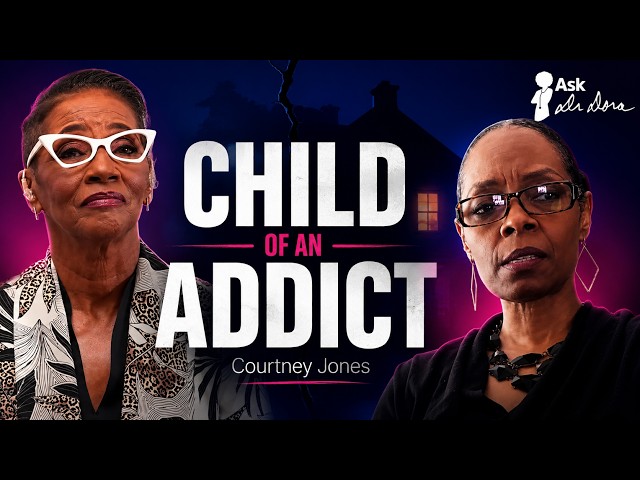
In this episode of Ask Dr. Dora, Dr. Dora Dixie speaks with Courtney Jones, a chef and adult child of ...a mother who struggled with substance use disorder.
Courtney shares what it was like growing up in a home where “normal” was hard to define. She talks about the good memories, the chaos, the silence, the neglect, going to school in wet clothes, relying on television to wake herself up for school, not always having food, and learning very young how to survive.
Courtney also opens up about becoming “the parent” in the household, finding safety and structure in school, using creativity and imagination to cope, and realizing in high school that other families lived very differently.
This conversation explores the long-term emotional impact of childhood neglect, verbal abuse, body shaming, family dysfunction, isolation, anger, therapy, boundaries, resilience, and the complicated love a child can still carry for a parent who could not consistently show up.
Courtney’s story is also a reminder that children of addiction need protection, support, structure, and someone who sees them.
Her message to children growing up in similar situations is powerful:
“You are greater than your environment. This is happening around you.
Don’t let it become you.”
If you or someone you love is struggling with substance use, help is available. Visit FindTreatment.gov to search for treatment resources near you.
Subscribe to Ask Dr. Dora for honest conversations about addiction medicine, substance use disorders, trauma, recovery, family healing, and the magnificent bodies we live in.
#viralvideo #podcast #askdrdora #addictionrecovery #interview #childhoodtrauma #healingjourney #healing #mentalhealthmatters #mentalhealth #breakingcycles #recoveryispossible
Disclaimer: This episode is for educational and informational purposes only and is not a substitute for medical advice, mental health treatment, substance use treatment, or therapy. Please consult a qualified professional for personal support.Show More

In this powerful episode of Ask Dr. Dora, Dr. Dora Dixie sits down with Dr. Andrea ...G. Barthwell, a nationally respected addiction medicine physician, former Deputy Director of the Office of National Drug Control Policy, and past leader in addiction medicine advocacy.
Together, they discuss the real-world intersection of science, policy, stigma, methadone treatment, harm reduction, insurance barriers, medical education, and recovery. Dr. Barthwell brings decades of experience from clinical care, federal drug policy, addiction treatment leadership, and advocacy for people living with substance use disorders.
This conversation goes deep into the questions families, clinicians, policymakers, and communities are still asking:
Why is addiction still treated differently than other medical conditions?
Why is methadone so heavily regulated?
How does stigma shape policy?
What has changed in addiction treatment since the 1990s?
Why do we still have unmet need when treatment capacity exists?
And what would it take to redesign addiction care in America?
If you or someone you love is struggling with substance use, help is available. As Dr. Dora reminds us in this episode: even when the world may shame you, do not be ashamed to get the help you need.
Visit FindTreatment.gov to search for treatment resources.
Subscribe to Ask Dr. Dora for real conversations about addiction medicine, recovery, substance use disorders, health, healing, and the magnificent bodies we live in.
Topics Covered
Addiction medicine
Substance use disorder
Recovery
Methadone treatment
Harm reduction
Drug policy
Fentanyl
Opioid addiction
Behavioral health parity
Mental health and substance use treatment
Recovery capital
Medical education
Stigma and addiction
FindTreatment.gov
Ask Dr. Dora Podcast
TIMESTAMPS
00:00 Welcome to Ask Dr. Dora
01:38 Meet Dr. Andrea G. Barthwell
03:52 Why addiction medicine became her life’s work
05:18 Science vs. policy: facts, values, and addiction care
07:45 Addiction treatment in America compared to other countries
09:58 Dr. Barthwell’s role in federal drug policy
10:56 Prevention, intervention, and improved treatment
12:56 Why good policy does not always reach patients
13:36 Unused capacity, unmet need, and funding gaps
16:13 How the drug landscape has changed since the 1990s
21:20 From heroin to fentanyl: what changed?
24:02 What are barbiturates?
26:55 Fentanyl, carfentanil, and the danger of potency
30:38 Insurance barriers and behavioral health parity
35:59 What has improved in addiction treatment?
37:54 Medications, recovery capital, and workplace recovery
40:11 Why more doctors do not prescribe addiction medication
43:13 Why methadone is still so heavily regulated
45:50 Stigma and the “mark of shame”
48:27 Harm reduction, drug dependence care, and keeping people alive
52:41 Three things Dr. Barthwell would change about addiction treatment
56:04 Closing reflections and how to find treatment
Disclaimer: This podcast is for educational and informational purposes only and is not a substitute for medical advice, diagnosis, or treatment. Please consult a qualified healthcare provider for personal medical guidance.
#AskDrDora
#AddictionMedicine
#Recovery
#SubstanceUseDisorder
#MethadoneTreatment
#HarmReduction
#AddictionRecovery
#OpioidUseDisorder
#MentalHealthMatters
#RecoveryIsPossible
#education
#Viral
#ViralVideosShow More

In this powerful episode of Ask Dr. Dora, Dr. Dora ...Dixie sits down with Tara Jenkins Ricard to share her story of growing up on the west side of Chicago in a household affected by substance use disorders, navigating the foster care system, and choosing a different path.
Tara opens up about childhood trauma, family separation, survival mode, and how she made a conscious decision to break generational patterns of addiction.
In this episode, we discuss:
• Growing up with addiction in the home
• The impact of DCF (foster care system) on children
• Childhood trauma and survival mode
• Being separated from siblings
• Breaking generational addiction cycles
• Forgiveness and healing family relationships
• Parenting after trauma
• Faith, resilience, and personal growth
This episode is for anyone who has:
✔ Grown up in a difficult or unstable home
✔ Experienced foster care or family separation
✔ Struggled with generational trauma
✔ Wanted to break unhealthy family cycles
🔔 Subscribe to Ask Dr. Dora Podcast for real conversations on addiction, recovery, healing, and mental health.
📩 Contact / Topics:
hello@askdrdora.com
#AskDrDora #FosterCare #AddictionRecovery #TraumaHealing #BreakTheCycle #transformation #motivation #viral #viralvideoShow More

What happens when alcoholism lives in the family, but no one ...talks about it?
In this episode of Ask Dr. Dora, Dr. Dora Dixie sits down with Valerie Burrell for a powerful conversation about growing up around alcohol use, family silence, emotional masking, faith, counseling, and healing.
Valerie shares her lived experience as a daughter, former wife, counselor, professor, and woman of faith. Together, she and Dr. Dora unpack how substance use disorders affect communication, identity, parenting, marriage, grief, and the long road to recovery—not just for the person using substances, but for the entire family.
This episode explores:
what it means to grow up in a home shaped by alcohol
the hidden pain of adult children of alcoholics
how family addiction patterns can repeat in marriage
the emotional cost of silence, trauma, and “not good enough”
how counseling, Al-Anon, and faith can support healing
If you have ever loved someone with a substance use disorder, grown up in a home where no one talked about the truth, or struggled to understand how family trauma follows people into adulthood, this conversation is for you.
🔔 Subscribe to Ask Dr. Dora for more honest conversations on addiction medicine, recovery, mental health, faith, and healing.
📩 Questions or topics for a future episode:
askdrdoradixie@gmail.com
#AskDrDora #Alcoholism #FamilyTrauma #AdultChildrenOfAlcoholics #HealingJourney
#AskDrDora #Alcoholism #FamilyTrauma #AdultChildrenOfAlcoholics #healingjourney #motivation #viral #alcohol #transformation
Tune in for content about:
✔ Addiction medicine
✔ Mental health
✔ Faith and healing
✔ Health education that empowers communities
📩 Questions for Dr. Dora:
askdrdoradixie@gmail.comShow More

In this episode, you’ll learn:
How opioid intoxication presents (including pinpoint pupils, drowsiness, slurred speech, and nodding)
How fast addiction can start for some people (as little as 3 days of daily use)
What withdrawal can feel like—brain symptoms first, plus physical symptoms like sweating, muscle cramps, nausea/vomiting, runny nose/tearing, and insomnia
Short- and long-term health complications (respiratory depression, delirium, kidney/liver issues, hormone changes, infections, and more)
Why compassion and real support matter—and what to do if someone needs treatment
If you know someone who needs help:
Call 1-800-662-HELP or visit findtreatment.gov.
🔔 Subscribe for more episodes on addiction medicine, recovery, and healing.
💌 Questions/topics: askdrdoradixie@gmail.com
#AskDrDora #OpioidWithdrawal #OpioidAddiction #AddictionRecovery #SubstanceUseDisorder #transformation #motivation #mentalhealthShow More

This conversation covers the hard truths: how addiction starts, why it’s not “just a choice,” what withdrawal and detox can feel like, and how recovery becomes possible—one decision at a time.
If you or someone you love is struggling, there is hope. Support exists through detox, inpatient treatment, outpatient programs, medication-assisted treatment (MAT), and recovery communities like NA, AA, and SMART Recovery.
In this episode, you’ll hear:
~How early exposure to alcohol and marijuana shaped her “normal”
~The moment “Special K” turned out to be heroin—and she couldn’t stop
~Living with heroin addiction for nearly a decade
~Xanax dependence, withdrawal, and seizures
~Pregnancy, methadone, and a baby detoxing in the NICU
~DCFS involvement, guardianship, and the fight to get her daughter back
~Working with survivors of sex trafficking and what she learned
~Narcan, overdose risk after sobriety, and why relapse can be deadly
~What a “good day” in recovery looks like now
Subscribe to Ask Dr. Dora for real conversations on addiction, recovery, medicine, mental health, and healing.
Like, comment, and share this episode with someone who needs hope today.
#AddictionRecovery #OpioidCrisis #Sobriety #RecoveryStory #AskDrDora
00:00 Intro + meet Lady Katherine
01:05 Who she is today: mother, daughter, advocate for recovery
02:10 Life before addiction: Chicago upbringing, private school, family context
04:05 First use: marijuana at 14 (peer pressure + normalization)
06:20 Dropping out + boyfriend influence
07:35 “Special K” revealed: heroin + instant hook
10:05 Heroin daily + Xanax dependence begins
12:35 Consequences: arrests, theft, prostitution, survival behaviors
15:10 Motherhood: first pregnancy (2011) + DCFS intact case
18:10 Methadone, pregnancy, and trying to stabilize
20:10 Baby #2 (2014): NICU, methadone detox, preemie reality
23:10 Guardianship vs DCFS custody + fight to get her daughter back
27:05 Rebuilding the bond with daughter #1
29:35 Family reunification timeline (custody restored)
31:10 Detox vs treatment: 40+ detoxes and what changed
33:10 Working with sex-trafficked women (what she witnessed)
36:10 Trauma, scapegoating, and numbing pain with drugs
38:10 Turning point: refusing to repeat history
39:30 Methadone taper + sleep struggles in early recovery
41:10 Stigma: “people still judge you”
42:30 Addiction explained: disease, progressive, deadly
43:40 Xanax withdrawal seizures + getting off benzos
44:45 Sobriety date + how many people she’s lost
45:45 Narcan + relapse danger after sobriety (tolerance drop)
46:55 Life in recovery now + message to anyone struggling
47:40 Warning about fentanyl/xylazine today + closing hope
Subscribe: https://www.youtube.com/@askdrdorapodcast
Website: askdrdora.com
Contact/Guest inquiries: hello@doctordoraShow More

In this powerful episode of Ask Dr. Dora, Michael Ferguson shares how substance use disorder quietly ...took 17 years of his life—and how recovery finally began.
Dr. Dora Dixie, board-certified in family medicine and addiction medicine, leads a medically guided, trauma-informed conversation that walks viewers through the real progression of addiction—from early childhood trauma and LSD use to cocaine, prescription opioids, heroin, homelessness, and ultimately recovery.
This episode is not glamorized. It is educational, honest, and grounded in medical reality.
In this episode, you’ll learn:
• How childhood trauma increases vulnerability to addiction
• What early LSD and hallucinogen use can do to the developing brain
• How “functioning addiction” hides in plain sight
• The role prescription opioids played in the OxyContin epidemic
• Why heroin creates such a powerful neurological “rush”
• How addiction shifts from choice to survival
• What accountability and recovery actually look like long-term
If you or someone you love is struggling, help is available.
📞 Substance Abuse & Mental Health Services Helpline:
1-800-662-HELP (4357) — Free, confidential, 24/7
🌐 Learn more at AskDrDora.com
👉 Subscribe to Ask Dr. Dora for medically accurate, life-saving conversations about addiction, recovery, and healing.
Timestamps
0:00 — One decision that changed everything
0:48 — Welcome to Ask Dr. Dora
1:20 — Who Michael Ferguson is today
3:05 — Growing up in Joliet, Illinois
5:10 — Childhood trauma and sexual abuse
8:30 — Family loss and unresolved grief
11:45 — First drug use at age 14 (LSD)
15:30 — How LSD affects the brain
19:10 — Escalation into cocaine use
22:50 — “Functioning addiction” and working while using
26:40 — Workplace injury and prescription opioids
30:15 — The truth about OxyContin withdrawal
34:40 — First time using heroin
38:20 — The neuroscience of “the rush”
42:30 — Homelessness and survival mode
46:50 — Accountability inside addiction
50:20 — Beginning recovery
53:30 — Life today: work, family, and healing
56:10 — What people misunderstand about addiction
58:00 — Final thoughts: knowledge is power
#askdrdora
#addictionrecovery
#substanceusedisordersShow More
Get Expert Advice +A Free Recovery Guide!
Sign up for our newsletter and receive Dr. Dora’s exclusive eBook: “Breaking the Cycle – 7 Steps to Overcoming Addiction.” This powerful guide offers actionable steps, expert insights, and support strategies to help you or your loved one on the journey to recovery.
What People Are Saying
Contact Details
-
Mailing Address: PO Box 15324
1510 E 55th Street Chicago, IL 60615 - Tel: (872) 221-8339
- Email: hello@askdrdora.com